
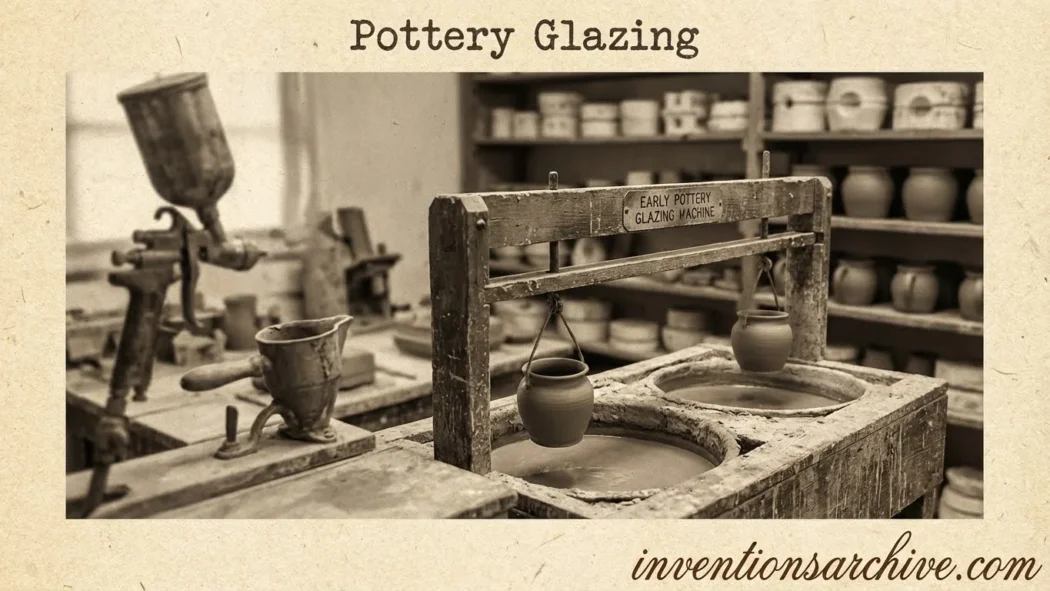
| Invention Name | Pottery glazing |
|---|---|
| Short Definition | A fired or heat-fixed vitreous surface coating added to pottery or ceramic ware for color, texture, and water resistance. |
| Approximate Date / Period | Mid-sixth millennium BCE for early glazed-surface faience objects; first millennium BCE for advanced glazed ceramic vessels Based on surviving evidence |
| Geography | Ancient Near East, with later major developments in Egypt, Mesopotamia, Iran, China, Central Asia, and Europe |
| Inventor / Source Culture | Anonymous / collective; developed through potters, kiln workers, glassmakers, and ceramic workshops |
| Category | Material technology; manufacturing; craft; surface engineering |
| Evidence Status | Attribution varies No single inventor is known; the origin is traced through surviving objects, material analysis, and workshop traditions. |
| Main Problem Solved | Porous fired clay could absorb liquids, stain easily, and offer limited surface color. |
| How It Works | A vitreous substance is fixed to the ceramic surface by fusion, usually through heat.[a] |
| Material / Technical Basis | Silicates, colorants, and fluxes that form a glass-like coating on a ceramic body.[b] |
| Early Uses | Small faience objects, decorated vessels, architectural tiles, tableware, storage vessels, and later luxury ceramics |
| Surviving Evidence | Glazed faience beads and amulets; glazed ceramic jars from early first millennium BCE Iran and related Near Eastern examples[c] |
| Development Path | Burnished or painted clay → glazed surfaces and faience → glazed ceramic vessels → opaque, colored, underglaze, overglaze, and industrial ceramic glazes |
| Related Inventions | Fired pottery, ceramic kiln, faience, glassmaking, porcelain, underglaze painting, overglaze decoration |
| Modern Descendants | Glazed tableware, porcelain, sanitary ceramics, ceramic tiles, laboratory ceramics, architectural ceramics |
| Why It Matters | It made ceramic surfaces more durable, easier to clean, more decorative, and more useful in homes, workshops, trade, and architecture. |
Pottery glazing was not a single object invented on one known day. It was a surface technology that changed what fired clay could do. A plain ceramic vessel could already hold dry goods and survive heat. A glazed vessel added a harder, smoother, often more water-resistant surface. It also gave potters a new visual language: deep blues, greens, whites, browns, yellows, glossy finishes, opaque surfaces, and later painted designs protected beneath glass-like layers.
What Pottery Glazing Is
Pottery glazing is the process of covering pottery or ceramic ware with a glass-like surface that bonds to the object during firing. The glaze may be clear, colored, glossy, matte, opaque, translucent, smooth, or textured. In simple terms, it turns the surface of clay into a thin, fused coating.
The invention matters because fired clay on its own is often porous. Liquids can seep into it. Oils and pigments can stain it. A glaze helped reduce those limits. It could also make a vessel easier to wash and more attractive for dining, storage, trade, and display.
Pottery glazing should not be confused with ordinary paint. Paint sits on a surface. A ceramic glaze is changed by heat and becomes part of the ceramic surface. That difference is why glazed pottery can survive long use, burial, handling, and museum conservation in ways that many painted surfaces cannot.
How Pottery Glazing Is Traced
The history of pottery glazing is traced through three kinds of evidence: surviving objects, technical analysis, and written or workshop records from later periods. Early evidence is often fragmentary. A shard, jar, tile, bead, or kiln trace may show what a workshop could do, but it rarely names the maker.
One careful way to understand the origin is to separate glazed surface technology from fully developed glazed pottery. Early faience objects show a glassy surface tradition before many surviving glazed ceramic vessels. Later jars, tiles, and tablewares show how that surface knowledge moved into pottery and architecture.
Material analysis has made this history clearer. Researchers can identify silica-rich surfaces, fluxes, metal colorants, tin-opacified structures, and firing effects. These details matter because two vessels may look similar while being made by different glaze traditions.
The Problem It Answered
Before glazing, potters used several surface methods: smoothing, burnishing, slipping, painting, incising, and firing in different kiln atmospheres. These methods could make pottery beautiful, but they did not always solve the same practical problems.
- Porosity: many clay bodies absorbed liquids unless fired very high or sealed in another way.
- Staining: unglazed surfaces could hold residues from food, oils, dyes, or storage contents.
- Limited color range: painted or slipped decoration depended on pigments that could survive firing.
- Surface wear: painted decoration could abrade more easily than a fired glass-like coating.
- Status and trade value: glossy, colored surfaces could imitate precious stones, glass, or metal-like finishes.
Glazing did not make every pot perfect. It added cost, skill, and firing risk. Yet it gave ceramic workshops a new answer to a very old question: how can clay be made both useful and visually durable?
Before and After Pottery Glazing
| Before Pottery Glazing | What Changed After It |
|---|---|
| Plain fired clay could be useful but often remained porous. | Glazed surfaces offered better resistance to liquids and surface staining. |
| Decoration relied on slip, paint, burnish, incision, or firing color. | Potters gained glass-like color, shine, opacity, and protected decoration. |
| Tableware and storage vessels could absorb residues more easily. | Smoother surfaces were easier to clean and better suited to repeated domestic use. |
| Architectural ceramics depended mainly on fired clay color or surface carving. | Glazed tiles and bricks allowed brighter, more durable architectural surfaces. |
| Luxury visual effects often required stone, metal, or glass objects. | Ceramics could imitate vivid minerals, glassy surfaces, and refined tableware at wider scales. |
How It Worked in Simple Terms
A ceramic glaze works because heat changes the surface material. The coating contains glass-forming material, usually silica-rich, along with substances that help it melt at a workable ceramic temperature. Colorants can add green, blue, brown, yellow, black, or white effects. Opacifiers can make a glaze less transparent.
During firing, the coating softens and bonds to the ceramic body. After cooling, it becomes a thin glass-like surface. The final result depends on the clay body, glaze composition, kiln temperature, firing atmosphere, and cooling conditions.
This article describes the principle only in a historical and educational way. It does not provide formulas, firing schedules, ingredient quantities, or production instructions.
Earlier Tools and Materials Before Glazing
Pottery glazing grew from earlier ceramic habits rather than appearing from nowhere. Potters already knew how clay changed in fire. They knew that surface smoothing affected texture. They used slips, mineral pigments, and kiln control to change color. Glassmakers and faience makers worked with related glassy surfaces.
Several earlier or neighboring technologies helped make glazing possible:
- Fired pottery: the base invention that made durable clay containers possible.
- Burnishing: polishing leather-hard or dry clay to create a smooth, sometimes shiny surface.
- Slip coating: applying fine liquid clay to change color or surface texture.
- Faience: a silica-rich material with a glassy surface, important for early glazed-surface traditions.
- Glassmaking: related knowledge of silica, fluxes, colorants, and heat transformation.
- Kiln control: the ability to manage heat strongly shaped glaze results.
Development Path from Earlier Surfaces to Later Forms
| Stage | Form | What Changed |
|---|---|---|
| Earlier Surface Method | Burnished, slipped, painted, or incised pottery | Clay surfaces could be smoothed and decorated, but not fully glass-coated. |
| Nearby Material Tradition | Faience and early vitreous surfaces | Craftworkers learned to create glassy surfaces on small objects and decorative pieces. |
| Pottery Glazing | Glass-like coating fused to ceramic ware | Vessels and tiles gained stronger color, surface protection, and water resistance. |
| Improved Form | Opaque, lead, alkaline, celadon, underglaze, and overglaze traditions | Workshops refined color, shine, opacity, firing control, and decorative layering. |
| Modern Descendant | Glazed tiles, porcelain, sanitary ware, technical ceramics, and industrial ceramic coatings | Glazing moved from craft workshops into architecture, domestic design, public hygiene, and engineered materials. |
Early Uses and Spread
Early glazing was not limited to one kind of object. It appeared in personal ornaments, vessels, tiles, bricks, and later refined tableware. In ancient settings, glazed color could signal value. Blue-green surfaces, for example, could recall minerals, water, or precious materials.
In the Near East, glazed ceramic jars from the early first millennium BCE show a mature decorative technology. The glaze was no longer only a small-object surface effect; it could cover larger vessels with multiple colors and repeated designs.
Later, Islamic ceramic centers played a major role in the development of opaque glazed surfaces. Research on tin-opacified glazes points to eighth-century production in Egypt and the Levant, followed by wider movement into Mesopotamia, northern Iran, and Central Asia in later centuries.[d]
East Asian ceramic traditions developed their own high-fired surfaces and subtle glaze effects. Celadon is one of the best-known examples: a gray-green, iron-containing glaze associated with Asian stoneware and later valued for its jade-like appearance.
Related articles: Porcelain (Early Chinese) [Ancient Inventions Series], Glass [Ancient Inventions Series]
Main Types and Variations
| Type or Variation | Main Feature | Historical Importance |
|---|---|---|
| Transparent Glaze | Clear or lightly colored surface that allows the clay body or decoration beneath to show. | Useful for protecting painted or slipped decoration while keeping it visible. |
| Opaque Glaze | Clouded or whitened glaze that hides the ceramic body below. | Allowed potters to create bright surfaces on darker or less refined clay bodies. |
| Tin-Opacified Glaze | Opaque glaze using tin-related opacifying particles. | Important in Islamic ceramics and later European tin-glazed wares. |
| Alkaline Glaze | Uses alkali-rich fluxing materials to help the glaze mature. | Linked with early Near Eastern and Egyptian glassy surface traditions. |
| Lead Glaze | Uses lead compounds as fluxes in historical ceramics. | Supported glossy, lower-temperature surfaces in many later pottery traditions; modern handling is governed by safety standards. |
| Celadon Glaze | Gray-green, iron-containing glaze on Asian stoneware. | Developed in the third century BCE and flourished during the Song Dynasty.[f] |
| Underglaze Decoration | Color is applied below a protective glaze layer. | Cobalt blue became one of the most reliable underglaze colors in Chinese and later European ceramic traditions.[e] |
| Overglaze Decoration | Decoration is applied over a previously glazed and fired surface, then fired again at a lower temperature. | Allowed more delicate surface colors and enamel-like decoration after the main glaze firing.[g] |
What Changed Because of Pottery Glazing
The effects of pottery glazing were practical, visual, and commercial. A glazed vessel could be more useful in daily life. A glazed tile could carry color into architecture. A glazed bowl could move through trade as a desirable object, not only as a container.
The invention changed several fields in a quiet but lasting way:
- Domestic life: smoother vessels were better suited to serving, washing, and repeated use.
- Food and storage culture: glazed surfaces helped reduce absorption and staining in many vessel types.
- Architecture: glazed bricks and tiles made durable color possible on walls, floors, and facades.
- Trade: distinctive glazes helped workshops, regions, and ceramic styles become recognizable.
- Art and design: potters could work with shine, opacity, translucency, color layering, and surface contrast.
- Technology history: glazing linked pottery, glassmaking, mineral color, kiln control, and later industrial ceramics.
The change was not only beauty. It was also surface control. Once potters could shape the ceramic body and engineer the surface separately, pottery became a more flexible technology.
Common Misunderstandings
It Was Not Invented by One Named Person
No secure ancient record names a single inventor of pottery glazing. The technology was built through repeated workshop practice.
The Earliest Object Is Not Always the First Use
A museum object or excavated shard shows what survived. Earlier examples may have been lost, unfound, or not yet identified.
Glaze Is Not Ordinary Paint
Paint can sit on top of a surface. Ceramic glaze is transformed by firing and bonds as a glass-like layer.
Modern Glazes Are Not the Same as Ancient Glazes
Modern ceramic production uses controlled materials, testing, and safety rules. Ancient glazes varied by region, kiln, clay, and available minerals.
Why the Invention Appeared When It Did
Pottery glazing appeared when several skills overlapped. People already fired clay. They had access to mineral colorants. They made or observed glassy materials. They used kilns and learned that heat could transform surfaces. In that setting, glazing was a natural next step.
The invention also answered social demand. Communities needed containers, but elite and ritual settings also valued color, shine, and rare-looking surfaces. A glazed ceramic object could be useful and visually striking at the same time.
As trade widened, ceramic styles moved with merchants, craftspeople, and objects. A glaze formula was not just a recipe. It was also a sign of workshop identity, regional taste, technical control, and buyer preference.
Related Inventions
- Fired pottery: the earlier ceramic technology that made shaped clay durable.
- Ceramic kiln: the heat-control system that made glaze firing possible.
- Faience: an early glassy-surface material closely related to the history of glazing.
- Glassmaking: a neighboring technology based on silica, fluxes, colorants, and heat.
- Porcelain: a later high-fired ceramic tradition often paired with refined glazes.
- Underglaze painting: a decorative method protected by a glaze layer.
- Overglaze enamel decoration: a later surface decoration applied after the main glaze firing.
- Glazed ceramic tile: an architectural use that carried ceramic color into buildings.
Frequently Asked Questions
Who invented pottery glazing?
No single inventor is known. Pottery glazing developed through collective workshop knowledge, especially where fired clay, faience, glassy materials, mineral colorants, and kiln control overlapped.
When did pottery glazing begin?
The earliest glazed-surface traditions are connected with faience objects in the ancient Near East. Advanced glazed ceramic vessels are well represented by first-millennium BCE examples. The exact first use remains uncertain because the evidence depends on surviving objects.
What was the main purpose of glazing pottery?
Glazing helped create a smoother, more water-resistant, easier-to-clean surface. It also allowed potters to add lasting color, shine, opacity, and protected decoration.
Is ceramic glaze the same as paint?
No. Paint usually rests on a surface. Ceramic glaze is changed by firing and bonds to the pottery as a glass-like coating.
Why is pottery glazing important in invention history?
It changed pottery from shaped and fired clay into a more controlled surface technology. That affected tableware, storage vessels, architectural ceramics, decorative arts, trade goods, and later industrial ceramic products.
Sources and Verification
- [a] Getty AAT: pottery glazing (process or technique) — Used to verify the technical definition of pottery glazing as a vitreous substance fixed by fusion, usually by heat. (Reliable because it is an institutional art and material vocabulary maintained by the Getty Research Institute.)
- [b] Getty AAT: ceramic glaze — Used to verify the description of ceramic glaze as a thin vitreous coating made with silicates, colorants, and fluxes. (Reliable because it is an institutional material reference used for art, conservation, and museum cataloging.)
- [c] The Metropolitan Museum of Art: Jar with a frieze of bulls — Used to verify early glazed-surface evidence, the ancient Near Eastern context, and the ca. 8th–7th century BCE glazed ceramic jar example. (Reliable because it is an official museum object record with curatorial information.)
- [d] University of Oxford: On the origins of tin-opacified ceramic glazes — Used to verify the eighth-century evidence for tin-opacified glazes in Egypt and the Levant and later spread into Mesopotamia, Iran, and Central Asia. (Reliable because it is a university publication record for a peer-reviewed Journal of Archaeological Science article.)
- [e] Victoria and Albert Museum: An A–Z of Ceramics — Used to verify underglaze decoration context and the importance of cobalt blue in underglaze ceramic decoration. (Reliable because it is an official museum education resource from a major ceramics collection.)
- [f] Getty AAT: celadon (glaze) — Used to verify the definition of celadon as a gray-green iron-containing glaze and its historical development in Asian stoneware. (Reliable because it is an institutional art and material vocabulary maintained by the Getty Research Institute.)
- [g] Getty AAT: overglaze (material) — Used to verify the meaning of overglaze as decoration applied over a previously glazed and fired surface, then fired at a lower temperature. (Reliable because it is an institutional material reference used for art, conservation, and museum cataloging.)