Number System (Babylonian Base-60)
Number System used powers of 60 and cuneiform signs to write quantities, fractions, tables, and calculations. Its later development is traced.

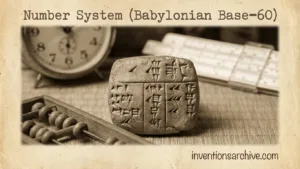
Number System used powers of 60 and cuneiform signs to write quantities, fractions, tables, and calculations. Its later development is traced.
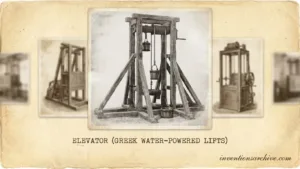
Greek water-powered lifts combined ropes, pulleys, winches, counterweights, and hydraulic systems to raise loads, water, or moving parts.
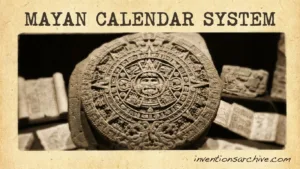
The Maya calendar linked ritual, solar, and historical day counts to organize ceremonies, agriculture, dynastic events, and inscriptions.
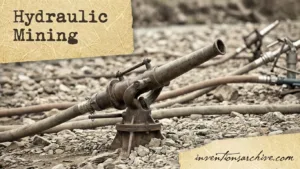
Hydraulic mining used high-pressure water to break gold-bearing gravel and move slurry through sluices, with its operation and effects placed in context.
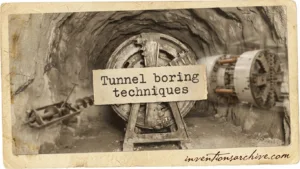
Tunnel boring techniques — methods and machines used to excavate underground passages. Historical context and later changes are included.
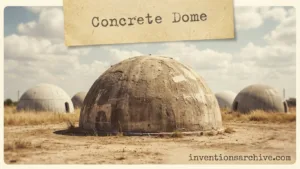
Concrete Dome is a curved roof or vault made from concrete, designed to span a large space mainly through compression. Its later development is traced.
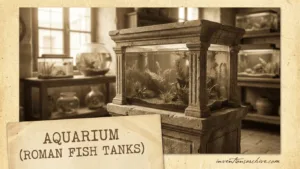
Aquarium — built or rock-cut water enclosures used to keep, breed, sort, and display live fish. Its origins and later uses are considered.
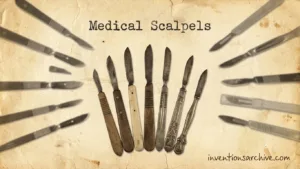
Medical Scalpels — handheld surgical cutting instrument that pairs a rigid handle with a sterile, ultra-sharp blade. Its later development is traced.

Tooth Extraction Tools — hand instruments designed to loosen, grip, lever, or remove teeth and tooth roots. Its later development is traced.
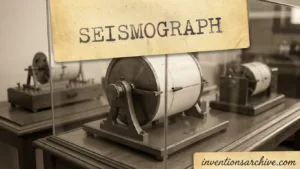
Seismograph detects and records ground motion caused by earthquakes or other seismic waves. Historical context and later changes are included.
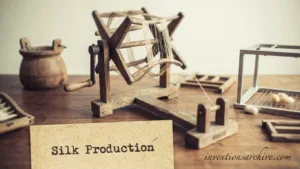
Silk Production is the controlled raising of silkworms and processing of cocoons into usable silk thread and fabric. Its later development is traced.
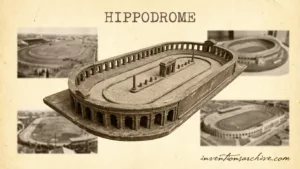
Hippodrome is a long open racecourse designed for horse racing and chariot racing. Historical context and later changes are included.
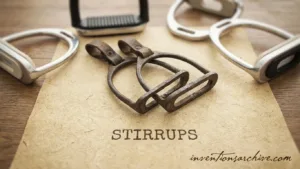
Stirrups — paired foot supports suspended from a saddle to help a rider mount, balance, and stay seated on horseback. Its later development is traced.
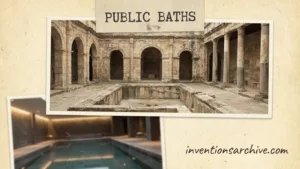
Public Baths — shared bathing facilities built for washing, heat, social life, ritual practice, exercise, or civic service.
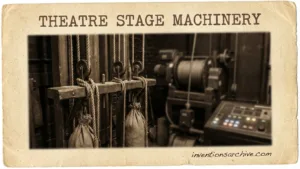
Theatre Stage Machinery — mechanical systems used to move scenery, actors, props, curtains, sound effects, and stage surfaces during a performance.
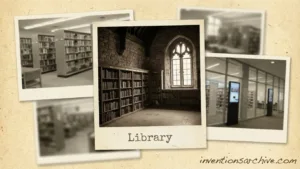
Library is a managed collection of written, printed, or recorded knowledge arranged for preservation, discovery, and use. Its later development is traced.
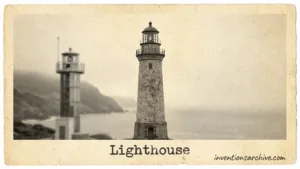
Lighthouse uses light, and sometimes sound or daymarks, to help vessels identify coasts, harbors, rocks, reefs, and channels.
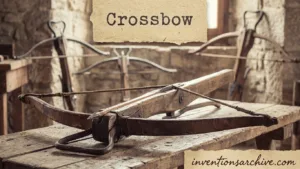
Crossbow is a bow fixed to a stock, with a release mechanism that stores tension and launches a short projectile called a bolt or quarrel.
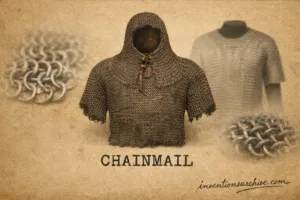
Chainmail is a flexible protective mesh made from many small interlinked metal rings. Historical context and later changes are included.
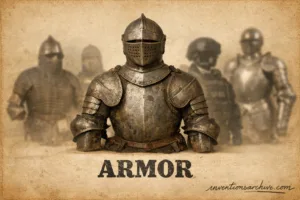
Armor — wearable protective covering designed to reduce injury from impact, cutting, piercing, heat, or hazardous contact. Its later development is traced.
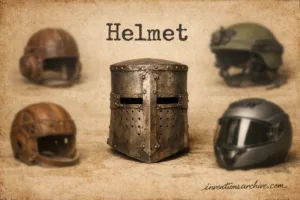
Helmet is a protective head covering designed to reduce injury from impact, falling material, weather, or occupational hazards.
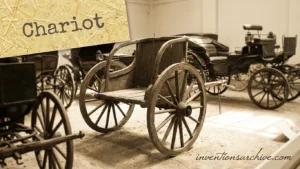
Chariot is a light wheeled vehicle, usually drawn by horses, designed for fast movement with one or more standing riders. Its later development is traced.
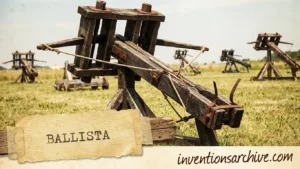
Ballista was used to launch heavy darts, bolts, or stones by storing energy in twisted cord bundles. Its origins and later uses are considered.
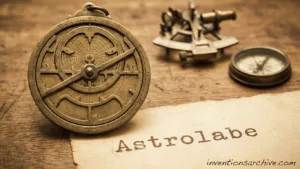
Astrolabe models the sky on a flat surface and helps calculate time, altitude, latitude, and celestial positions. Its later development is traced.
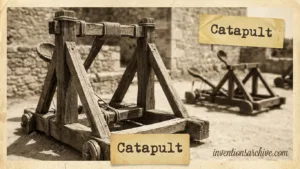
Catapult is a mechanical device that stores energy and releases it to launch a projectile without gunpowder. Its later development is traced.
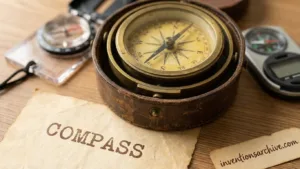
Compass uses a magnetized pointer to show orientation in relation to Earth’s magnetic field. Its origin and later influence are also examined.
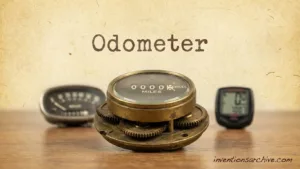
Odometer is a device that records the distance traveled by a vehicle, cart, wheel, or moving body. Its origins and later uses are considered.
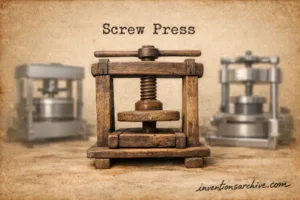
Screw Press turns rotary motion from a screw into slow, strong, controlled linear pressure. Early evidence and later changes are traced.

Watermill is a mill that uses a waterwheel or water-driven turbine to turn machinery, most often for grinding grain. Its later development is traced.
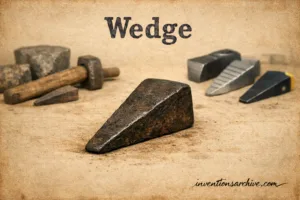
Wedge redirects an applied force into separating, cutting, lifting, tightening, or holding action. Early evidence and later changes are traced.