Soapstone Mold Casting
Soapstone Mold Casting — carved soapstone used as a reusable casting mould for small metal objects. Its origins and later uses are considered.

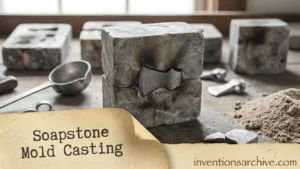
Soapstone Mold Casting — carved soapstone used as a reusable casting mould for small metal objects. Its origins and later uses are considered.
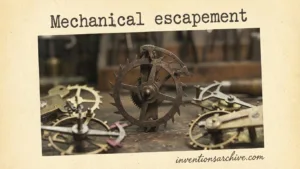
Mechanical escapement — mechanism that meters power into timed “steps” for a clock or watch. Its origin and later influence are also examined.
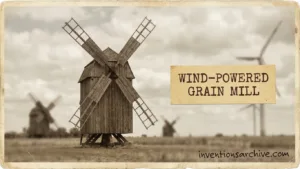
Wind-Powered Grain Mill — wind-driven machine that turns grain into flour using millstones. Its origin and later influence are also examined.
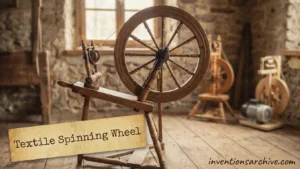
Textile Spinning Wheel — hand-powered tool that turns fiber into yarn. The surviving record and later development are also considered.
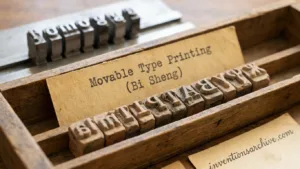
Movable Type Printing is a printing method that uses reusable individual characters to form pages. Its historical setting is also noted.
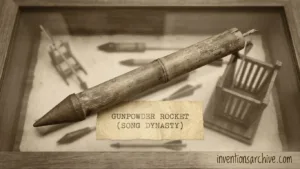
Gunpowder Rocket (Song Dynasty) is a self-propelled fire-arrow device powered by gunpowder thrust. Early evidence and later changes are traced.
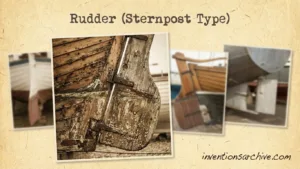
Rudder — centerline steering blade hinged to a ship’s sternpost. The record follows its origins, use, surviving evidence, and later development.
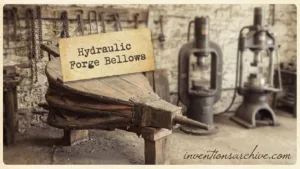
Hydraulic Forge Bellows — water-linked systems that deliver a steady blast of air to a forge or furnace. Its historical setting is also noted.
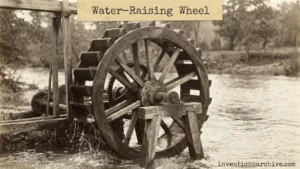
Water-Raising Wheel — rotary device that lifts water using buckets, boxes, or compartments. Its origin and later influence are also examined.
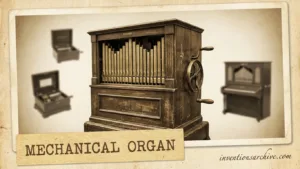
Mechanical Organ — self-playing organ that converts a stored music program into wind-driven notes. Its origins and later uses are considered.
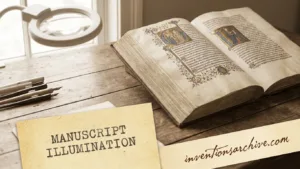
Manuscript Illumination — handwritten books enhanced with painted decoration and, in many cases, reflective metal to add visual structure and prestige.
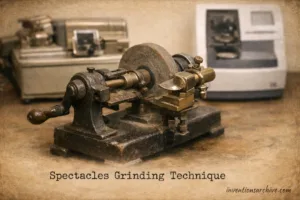
Spectacles Grinding Technique — shaping and polishing lenses to a specified optical power. Early evidence and later changes are traced.
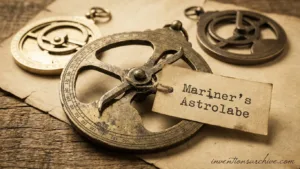
Mariner’s Astrolabe — hanging angle-measuring tool for Sun/Star Altitude to estimate Latitude. Its origin and later influence are also examined.
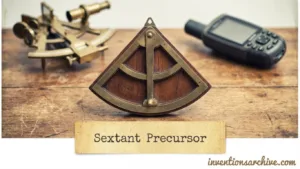
Sextant Precursor — mirror-based sea instrument for measuring celestial altitude; direct sextant forerunner. Its later development is traced.
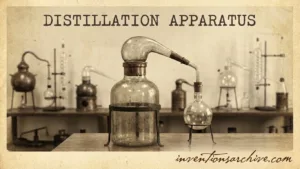
Distillation Apparatus — boil–condense device for separating or purifying liquids. The surviving record and later development are also considered.
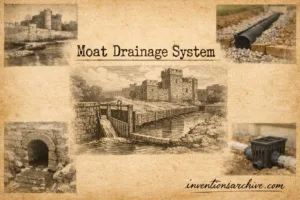
Moat Drainage System — water-level control for a moat using managed inflow and outflow. Historical context and later changes are included.
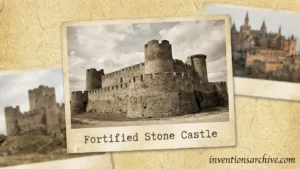
Fortified Stone Castle — stone-built defended residence with controlled access and layered enclosures. Its later development is also traced.

Flying Buttress — external masonry arch support that redirects vault thrust to an outer pier Details. Its later development is also traced.
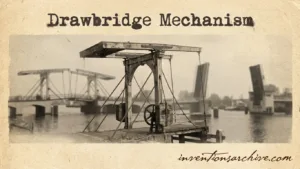
Drawbridge Mechanism — movable bridge span that lifts to manage crossing access and clearance. Its origins and later uses are considered.
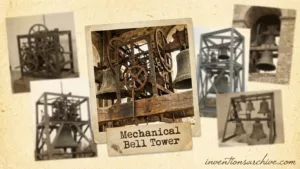
Mechanical Bell Tower uses gears and a regulated oscillator to announce time by striking bells. Its origin and later influence are also examined.
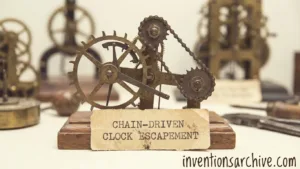
Chain-Driven Clock Escapement — escapement-regulated clockwork paired with a chain transmission for controlled, long-distance power transfer.
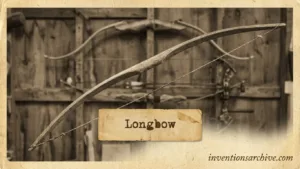
Longbow is a tall bow with long limbs that bends to store elastic energy and sends an arrow forward with a single string. Its later development is traced.
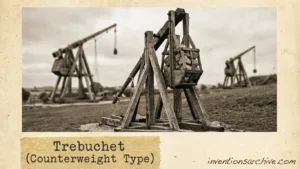
Trebuchet (Counterweight Type) — gravity-driven lever launcher with a sling. The surviving record and later development are also considered.
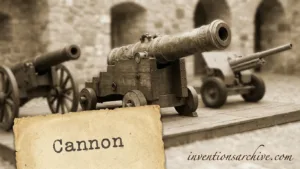
Cannon — metal barrel that launches a projectile using expanding gas. The surviving record and later development are also considered.
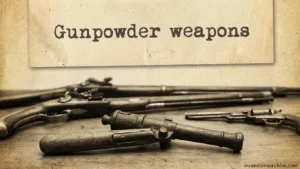
Gunpowder weapons — projectile-launch devices powered by black powder gas pressure. Historical context and later changes are included.
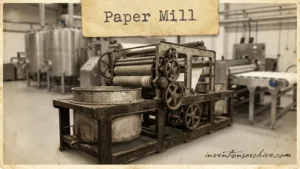
Paper Mill (Europe) — water-powered (later mechanized) site for turning fiber into paper sheets. Its origins and later uses are considered.
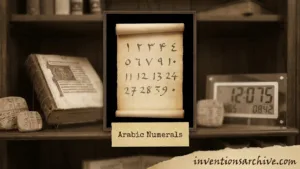
Arabic Numerals is a decimal numeral system using ten digits and place value to write any number. Early evidence and later changes are traced.
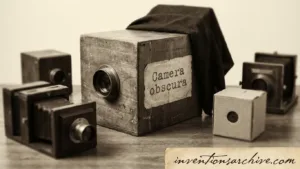
Camera obscura — dark chamber; aperture projection; inverted image Details. The surviving record and later development are also considered.
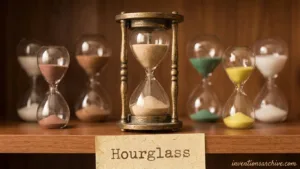
Hourglass measures a fixed interval as dry grains fall through a narrow opening between two bulbs. Its origins and later uses are considered.
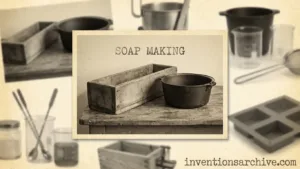
Soap Making is a method for turning fats and alkalis into cleansing agents that lift oils and dirt in water. Its later development is traced.